Origins in the Mughal Empire
Mughlai cuisine traces its roots to the kitchens of the Mughal emperors who ruled the Indian subcontinent from the early 16th to the mid-19th century. The Mughals, originally from Central Asia, brought with them Persian, Turkish, and Afghan culinary traditions. When these traditions met India's rich spice heritage, something extraordinary was born.
Emperor Babur, the founder of the Mughal dynasty, is said to have been disappointed by the simplicity of Indian cooking when he first arrived. He brought Persian cooks who began blending Central Asian techniques with local Indian ingredients. The result was the foundation of what we now call Mughlai cuisine.
The Golden Age Under Shah Jahan and Aurangzeb
The cuisine reached its pinnacle during the reigns of Shah Jahan and Aurangzeb. Royal kitchens employed hundreds of cooks, each specializing in specific dishes. It was during this period that iconic dishes like biryani, korma, nihari, and kebabs were perfected.
Key Innovations
- Dum Pukht: The slow-cooking technique where food is sealed in a pot and cooked over low heat, allowing flavours to develop naturally
- Tandoor Cooking: Clay oven cooking that gave us tandoori roti, naan, and the legendary tandoori chicken
- Spice Blending: The art of combining dozens of spices in precise proportions to create complex, layered flavours
The Signature Dishes
Biryani
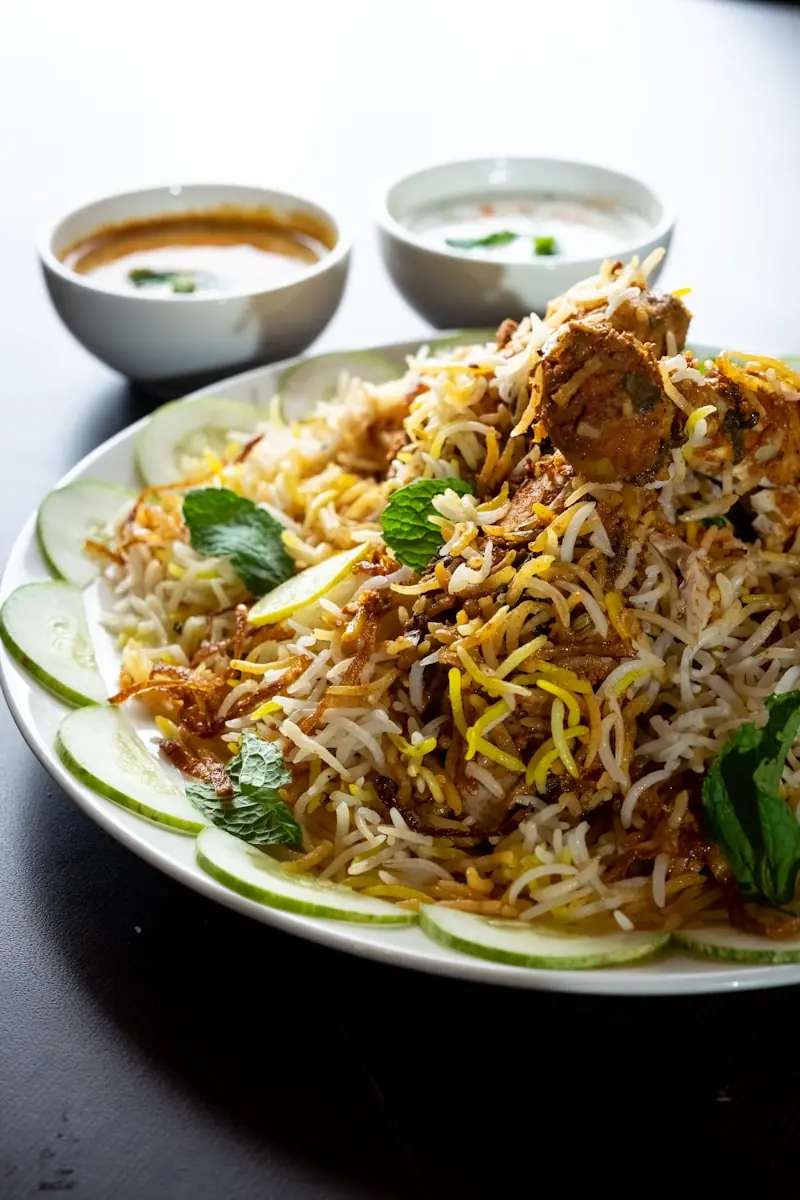
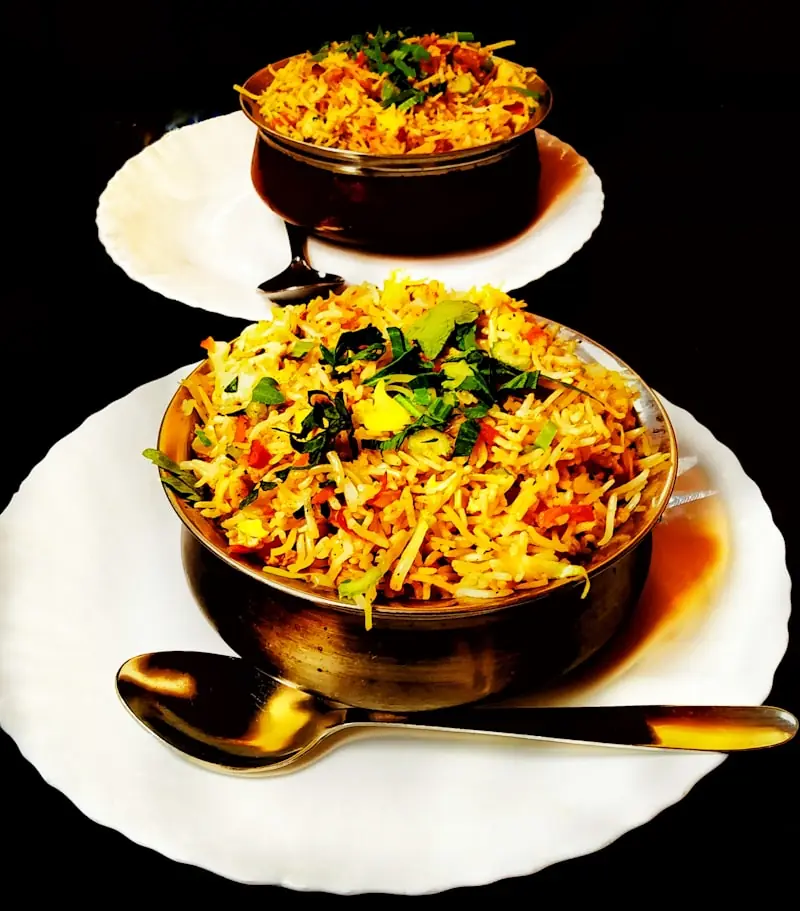
Perhaps the most famous Mughlai creation. Layers of aromatic rice and marinated meat, sealed and slow-cooked together. Each region developed its own variation — Hyderabadi, Lucknowi, Kolkata — but the essence remains the same.
Kebabs
From the seekh kebab grilled on skewers to the impossibly tender galouti kebab (created for a toothless Nawab), Mughlai kebabs represent the pinnacle of grilled meat preparation.
Nihari
A slow-cooked stew traditionally prepared overnight and served for breakfast. The word "nihari" comes from the Arabic "nahar" meaning morning. It remains one of the most soulful dishes in the Mughlai repertoire.
Korma
A rich, creamy curry made with yogurt, cream, and ground nuts. Originally a royal dish, korma represents the refined elegance of Mughlai cooking.
Mughlai Cuisine Today
At Mughlai Magic, we believe in preserving this incredible heritage. Every dish on our menu is prepared using techniques that have been passed down through generations. We do not take shortcuts. We do not simplify for convenience.
When you taste our biryani, our kebabs, or our nihari, you are tasting centuries of culinary evolution — from the grand kitchens of Mughal emperors to your table.
Visit us in Hyderabad or Nashik to experience this legacy firsthand.