TL;DR: A cloud kitchen biryani franchise (from about ₹15 lakh) is cheaper, faster to open and easier to run, but it lives and dies on Swiggy and Zomato, whose commissions take a large slice of every order. A QSR (from about ₹35 lakh) costs more and needs a visible high-street or tech-park location, but earns walk-in and takeaway revenue at full margin and builds a brand people can see. If your capital is tight and your locality is residential with heavy delivery ordering, start with a cloud kitchen. If you can afford the fit-out and the rent, and your locality has office footfall, a QSR usually pays back more reliably. See both models with real numbers → Mughlai Magic franchise models
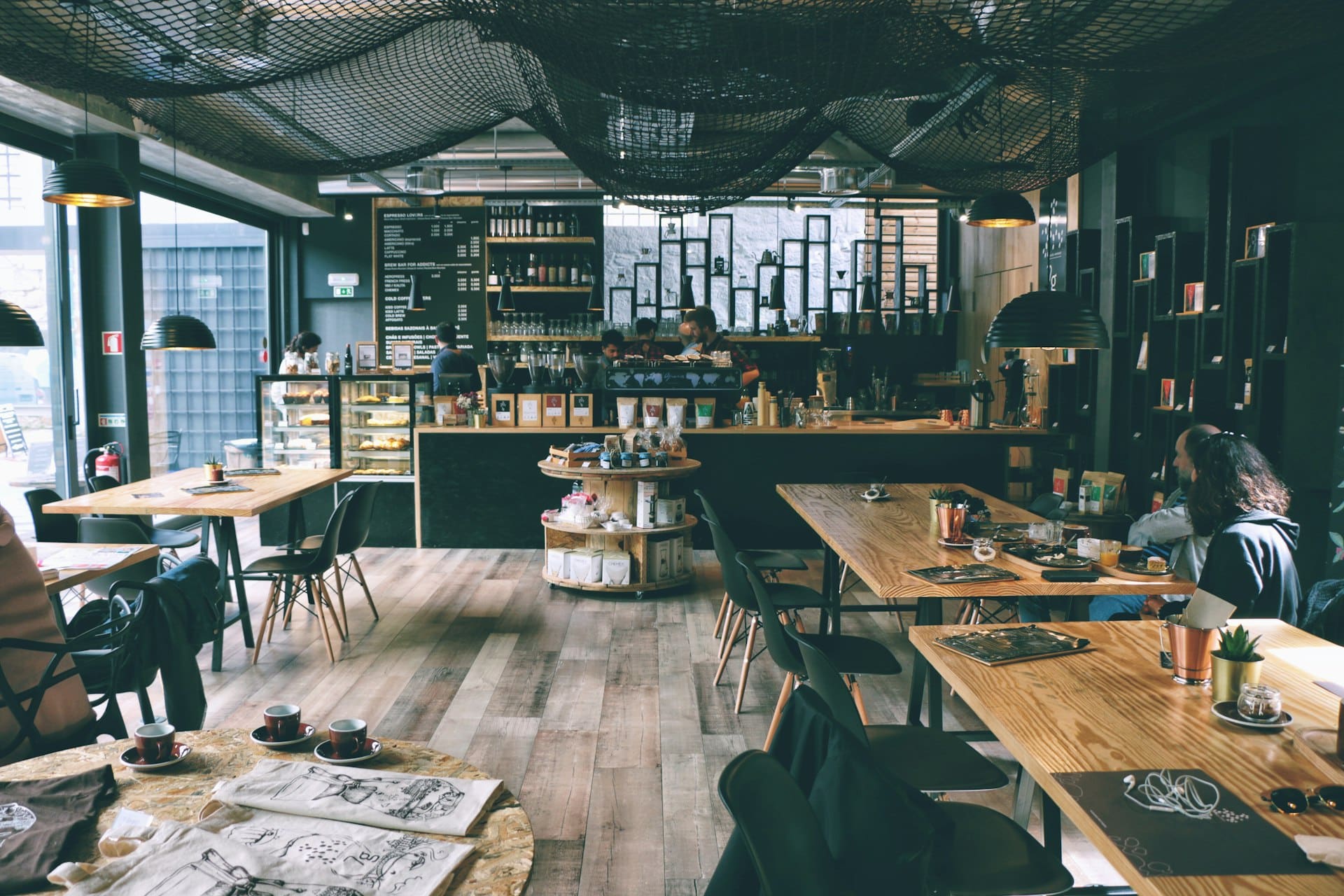
The two models in one table
| Factor | Cloud Kitchen | Express / QSR |
|---|---|---|
| Mughlai Magic investment | From ₹15 lakh | From ₹35 lakh |
| Space | 250 – 450 sq ft, back-lane or first floor is fine | 500 – 900 sq ft, ground floor with frontage |
| Rent profile | Low; location matters less than delivery radius | Medium to high; location is the product |
| Fit-out | Kitchen equipment, packing station, small storage | Kitchen plus seating for 15–30, signage, counter, washrooms |
| Staff | 3 – 4 (cook, helper, packer/order handler) | 5 – 8 (adds counter, service, cleaning) |
| Revenue channels | Swiggy, Zomato, own website/WhatsApp orders | Walk-in, takeaway, aggregators, corporate orders nearby |
| Aggregator dependence | Very high; typically 70–90 percent of orders | Moderate; typically 30–50 percent of orders |
| Time to open | 45 – 60 days within a 90-day launch plan | 75 – 90 days |
| Typical payback | 12 – 24 months | 18 – 36 months |
The payback ranges are the ones we publish for our own models; they assume the locality is right and the operator is present. A wrong locality stretches either model well beyond these figures.
Capex: where the money actually goes
Cloud kitchen (₹15 lakh band)
Most of the capital goes into kitchen equipment (tandoor, burners, dum pots, refrigeration), a packing station and initial inventory. There is almost no spend on interiors because customers never see the space. The franchise fee, training and launch marketing are the remaining large lines. Working capital for the first two to three months should be budgeted separately.
QSR (₹35 lakh band)
The kitchen costs roughly the same as a cloud kitchen. The extra ₹20 lakh or so is the front of house: flooring, furniture, lighting, signage, a display counter, a POS system, air-conditioning and a security deposit on a ground-floor lease. That deposit alone can be several months' rent in a good Hyderabad, Pune or Bengaluru location.
Revenue: the aggregator question
This is the real difference between the models.
A cloud kitchen gets most of its orders from Swiggy and Zomato. Aggregator commissions, discounts you are pushed to fund, and paid visibility together take a large share of each order. The upside is reach: you are visible to everyone within your delivery radius from day one without spending on a shopfront.
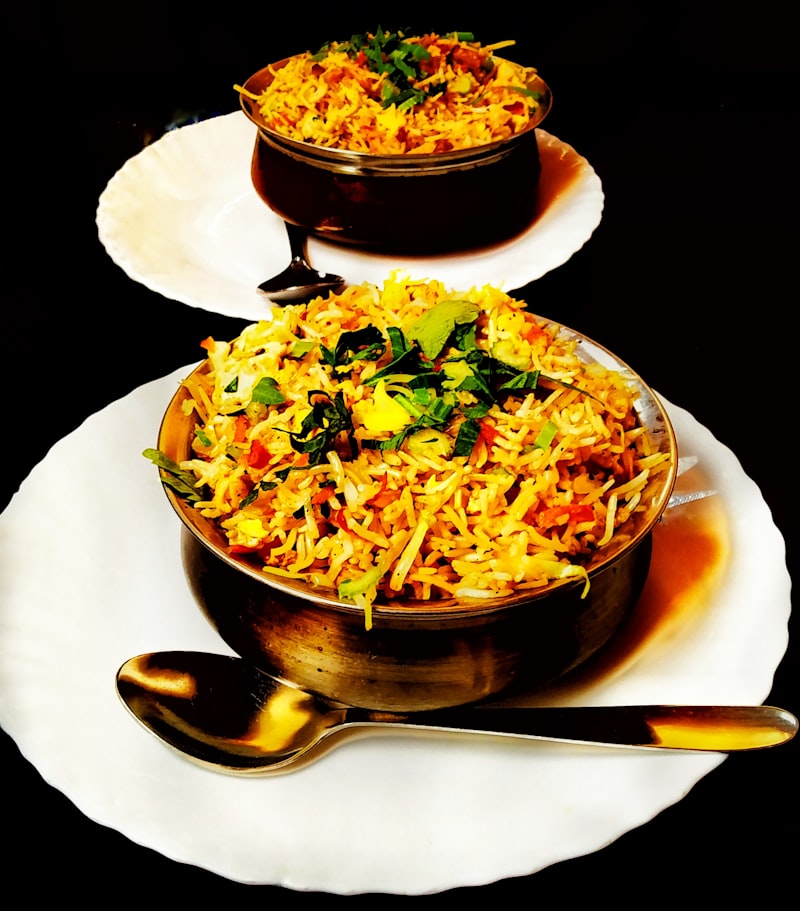
A QSR sells a meaningful share of its biryani over the counter at full price. A ₹299 chicken biryani sold to a walk-in customer earns more than the same biryani sold through an app after commission and discount. Over a month, that difference is what funds the higher rent and staff.
Our own experience across Hyderabad and Nashik is that both models work, but a QSR with even modest footfall is less exposed to aggregator policy changes, commission hikes and ranking algorithms that a cloud kitchen cannot control.
Margins, qualitatively
- Food cost is similar in both models when recipes, spice blends and portioning are standardised, which is exactly what a centralised franchise kitchen supplies.
- Packaging cost is higher in a cloud kitchen because every order ships.
- Rent and staff are higher in a QSR.
- Net margin per order is higher in a QSR for walk-in orders and roughly equal for delivery orders.
- Net margin per month depends on volume. A cloud kitchen in a dense residential area can do very high order counts; a QSR in a dead location can do very few.
Which localities suit which model
Cloud kitchen works best in
- Dense residential clusters with young renters and families who order dinner three or four nights a week.
- Areas already served by strong aggregator demand: if the top biryani listings in that pin code are doing hundreds of orders a day, the demand is proven.
- Localities where ground-floor retail is expensive but first-floor or back-lane kitchen space is cheap.
QSR works best in
- Tech-park and office corridors with lunch and evening footfall.
- High streets and market areas with visibility from the road.
- Localities where a brand presence matters for corporate and party orders nearby.
City by city
- Mumbai: high rents push many first-time operators toward cloud kitchens in suburbs like Andheri, Powai and Navi Mumbai. QSRs make sense near office clusters where lunch traffic justifies the rent.
- Pune: Hinjewadi, Kharadi and Magarpatta have office footfall that suits a QSR, while Wakad, Baner and Kothrud are strong cloud-kitchen catchments.
- Bengaluru: Koramangala, HSR Layout and Indiranagar have the highest delivery densities in the country and are natural cloud-kitchen markets; Whitefield, Electronic City and Marathahalli suit a QSR feeding tech-park lunch crowds.
Staffing and the operator's time
A cloud kitchen can be run by a hands-on operator with a small team and a good order-handling routine. A QSR needs someone at the counter during peak hours and a manager mindset around service, cleanliness and stock. If you have a day job and plan to be a part-time owner, a cloud kitchen is the more realistic first unit. If you intend to run the business full time, a QSR gives you more to build.
A practical way to decide
- Add up your available capital and keep three months of working capital aside. If the remainder is under ₹25 lakh, the choice is made for you.
- Look at the aggregator listings in your target pin code. If the top biryani outlets are cloud kitchens with very high order counts, the delivery demand is there.
- Walk the high street at 1 PM and 8 PM. If there is visible footfall and no strong biryani brand, a QSR has an opening.
- Ask the franchisor for unit-level numbers from an existing outlet in a similar locality, not city-wide averages.
How Mughlai Magic supports either model
Both models get the same central-kitchen recipes and spice blends, the same 90-day launch plan, the same training, supply-chain and marketing support, and a defined territory. Chicken biryani sells at ₹299, mutton at ₹399 and veg at ₹249 across our outlets, so the unit economics are known before you sign. We are currently expanding to Mumbai, Pune, Bengaluru and other Tier 1 and Tier 2 cities.
WhatsApp the franchise desk at +91 8600867860, call +91 9049392092, or email hello@mughlaimagic.com.